Roof Replacement Succasunna, NJ: Choosing Colors That Match Your Home
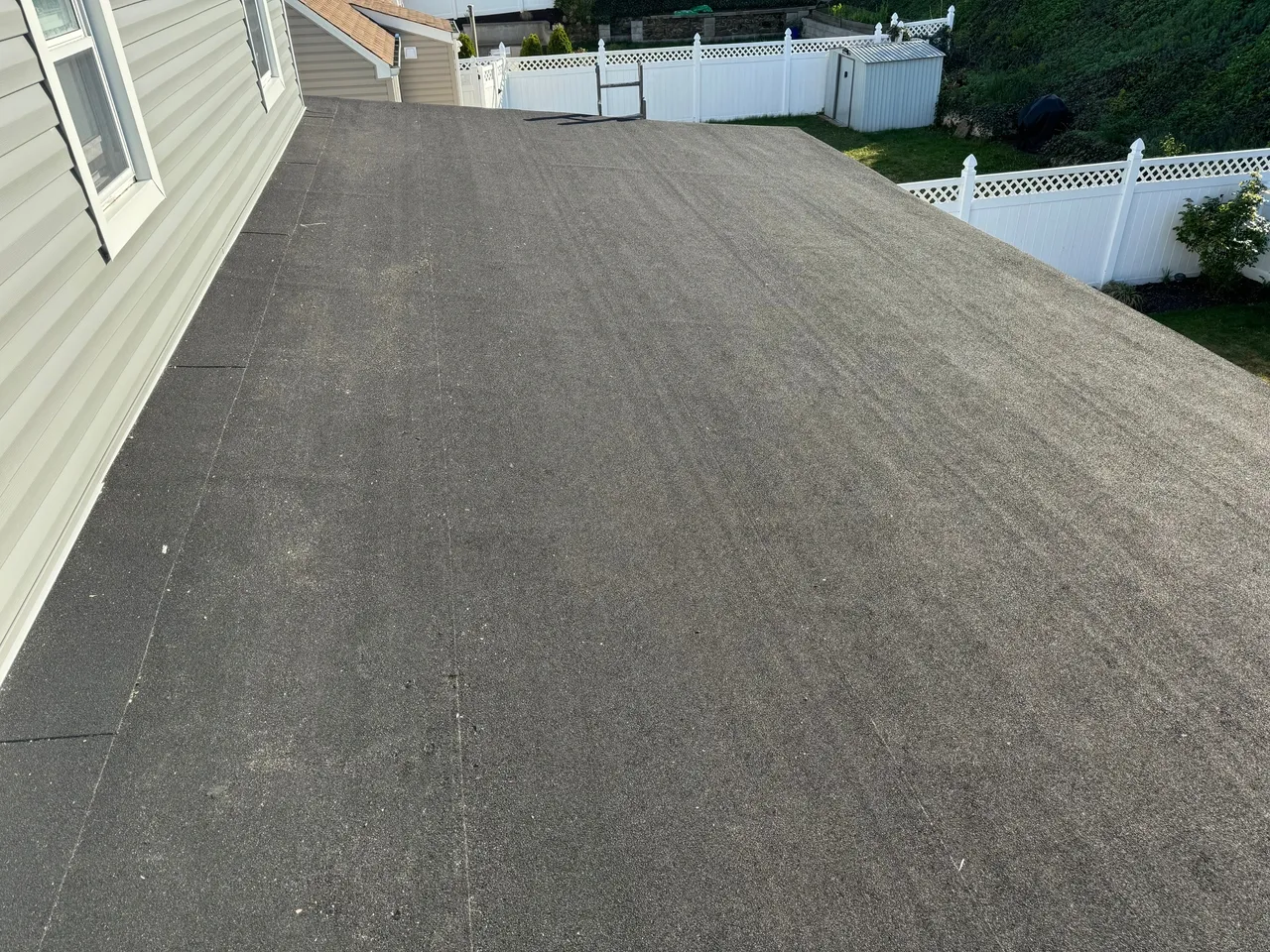
A new roof changes more than weather protection. It changes the entire way a house reads from the street. In a place like Succasunna, where you see a mix of colonials, ranch homes, split-levels, capes, and newer custom builds, roof color can either tie a property together beautifully or make everything feel slightly off. Most homeowners sense this immediately when they look at sample boards. A shingle that looked sharp on its own suddenly feels too harsh, too royaltyexteriorsnj.com Roof Replacement Succasunna, NJ flat, or too busy once it is imagined on the actual house.
That is why color choice matters so much during a roof replacement. Succasunna, NJ homeowners are not just buying shingles. They are making a long-term exterior design decision that affects curb appeal, resale impressions, and day-to-day satisfaction every time they pull into the driveway.
I have seen people spend weeks comparing cabinets or countertops, then pick a roof color in fifteen minutes because they are focused on the estimate, timeline, and warranty. Months later, some are thrilled. Others keep saying the same thing: the roof is high quality, but they wish they had chosen a different shade. Since asphalt shingle roofs often stay in place for twenty to thirty years, that kind of regret lingers.
Why roof color is harder to choose than it looks
Roofing samples are small. Your roof is not. A color blend that appears subtle in your hand can look much darker across a full roof plane. A warm brown can suddenly pull orange. A charcoal can read nearly black on an overcast winter day. A “neutral” gray can clash with beige siding and red brick without anyone noticing the problem until the job is done.
Northern New Jersey adds another wrinkle. Light changes sharply by season. Summer sun brings out undertones. Fall can warm everything visually because of surrounding foliage. Winter strips color from the landscape, which makes the house itself more prominent. If you choose a roof color based only on a showroom sample under fluorescent light, you are not really choosing with the house in mind.
That is why experienced contractors and exterior designers often ask the same basic questions before they talk about brands or shingle lines. What color is the siding? Is there brick or stone that cannot be changed? What color are the shutters, front door, garage door, gutters, and trim? How much shade does the home get from mature trees? How visible is the roof from the street?
A low ranch with a broad front-facing roof puts the shingle color on center stage. A taller colonial with more facade and less visible roof gives you a little more flexibility. The house itself determines how strong a visual role the roof will play.
Start with the fixed elements, not the ones you can paint later
The smartest way to choose a roof color is to work from the least changeable materials outward. In practical terms, that usually means stone, brick, masonry foundation, and certain siding finishes. Paint can change. A front door can change in a weekend. Roof color should support the expensive, permanent materials already on the home.
If your house has red or brown brick, a roof with warm undertones usually feels more settled than a cool steel gray. If the facade includes blue-gray stone, a cooler shingle often looks more intentional. Beige vinyl siding gives you room to move, but not unlimited room. Too cool a roof and the house can feel disjointed. Too warm a roof and the whole exterior may flatten into one muddy tone.
This is where homeowners often get tripped up by “safe” colors. A medium gray sounds universally compatible, but some medium grays have brown flecks, some have blue undertones, and some look greenish next to certain siding. The label does not tell the whole story. You have to look at the actual blend against your actual materials.
One of the simplest field tests is also one of the most useful. Take the shingle sample outside, place it next to the siding, trim, and masonry, then step back. Look at it in full sun and in shade. Look in the morning if you can, then again late afternoon. If the sample seems to change personalities through the day, believe that instinct. It probably will.
Succasunna homes and the colors that usually work
There is no single best color for Roof Replacement Succasunna, NJ projects because the housing stock is varied. Still, some pairings consistently hold up well across local architectural styles.
Colonials tend to handle darker, more traditional roof colors very well. Charcoal, weathered wood, deep brown, and muted slate blends usually reinforce the symmetry and formality of the house. When the siding is white, cream, or a pale neutral, a darker roof often creates crisp definition. Black shutters and a black or dark bronze front door can make the whole exterior feel composed.
Ranch homes are a little more sensitive because the roof is visually larger in proportion to the walls. A very dark roof can look handsome, but it can also dominate the house if the siding is also dark or if the home sits low in shade. Mid-tone colors often perform well here, especially blended browns and grays that add texture without making the roof feel too heavy.
Split-levels benefit from balance. Since these homes often combine multiple facade planes and garage prominence, a shingle color with dimension can help unify the design. Flat, solid-looking colors sometimes make the geometry feel choppier. A heathered or blended architectural shingle usually softens that effect.
Capes and cottage-style homes often look best with restraint. These houses carry charm easily, but they can lose it if the roof color feels trendy or overstated. Traditional charcoal, soft gray, and earthy brown tend to age better than bolder blends.
The role of undertones, the detail most people miss
When homeowners say, “I want gray,” they usually mean they want a mood, not a precise color family. Some want crisp and classic. Some want softer and more natural. Undertones decide the difference.
A gray roof can lean blue, brown, green, or even violet in certain light. Brown shingles can read chestnut, taupe, driftwood, or almost bronze. Black shingles may look flat on one house and elegantly dimensional on another depending on granule blend and surrounding contrast.
This matters because undertones either cooperate with your siding and masonry or they fight them. A house with creamy trim and warm stone often looks more at ease under a roof with brown or taupe influence. A home with bright white trim and cool gray siding usually benefits from a crisper charcoal or slate color.
I have seen homeowners reject a sample because it seemed “too brown,” only to realize later that the slightly warm cast was exactly what their brick needed. I have also seen the opposite. A sharp charcoal felt sophisticated in the abstract, but once installed above tan siding and warm fieldstone, it looked cold and disconnected. The roof itself was excellent. The color relationship was the problem.
Neighborhood context matters, but it should not control you
Every neighborhood has a rhythm. Some streets in Succasunna lean heavily traditional, with earth-toned palettes and mature landscaping. Others mix updated facades, white trim, black windows, painted brick, and more contemporary exteriors. A roof color should fit comfortably enough that it does not look accidental, but it does not need to disappear into the block.
The best curb appeal usually comes from a house that looks intentional, not one that copies the nearest three homes. If every house around you has a brown roof, that does not mean brown is your only smart option. It does mean you should understand how a black roof or cooler gray will affect the character of your property compared with the rest of the street.
Resale is part of this conversation. Buyers rarely say, “We are not making an offer because of the roof color,” unless the choice is truly odd. More often, they simply register whether the house feels well put together. A roof color that harmonizes with the facade creates that feeling almost instantly. A mismatched roof creates subtle drag. People may not identify the issue, but they sense it.
Popular shingle color families, with the real trade-offs
Some color families stay popular because they work on many homes. That does not make them interchangeable.
- Charcoal and deep gray look crisp, classic, and broadly appealing. They pair especially well with white, gray, blue, and many stone exteriors, but they can feel severe on warm beige or yellow-toned homes if there is no darker trim to bridge the contrast.
- Weathered wood blends are versatile because they mix gray and brown tones. They often suit homes with mixed materials, especially where siding, stone, and trim do not sit neatly in one temperature range.
- Brown and earthy tones feel grounded and natural. They complement brick and warm siding well, though some can make a home appear dated if the rest of the exterior already leans heavily tan or brown.
- Black makes a strong statement and can be striking on updated homes. It is less forgiving if the facade lacks contrast or if the house sits deep in shade.
- Soft slate and muted driftwood tones can bring subtle sophistication, but they need to be checked carefully against masonry to avoid looking washed out.
These are not rules so much as tendencies. The same charcoal shingle can look elegant on one home and too stark on the house next door.
Energy performance, heat, and the local climate question
Color affects heat absorption, but homeowners sometimes overestimate how much that should drive the decision. In New Jersey, roof ventilation, attic insulation, roof system quality, and installation details often matter more to overall comfort and energy performance than whether the shingle is medium gray or dark charcoal.
Darker roofs generally absorb more heat than lighter ones. That is true. But the practical effect inside the house can vary a lot depending on attic conditions. A well-ventilated attic with proper insulation can perform much better under a dark roof than a poorly ventilated attic under a lighter one.
That said, if your home already runs warm upstairs in summer, or if the attic has known ventilation limitations that are not being corrected during the roofing job, it is reasonable to factor color into the decision. Just do not let fear of a darker roof override a clearly better aesthetic choice without discussing ventilation and insulation first. Roofing is a system, not a color swatch.
Matching roof color to siding, brick, and stone
Most of the practical judgment comes down to combinations. A few pairings come up again and again.
Homes with white siding have the broadest range. Black, charcoal, slate gray, weathered wood, and many browns can all work. The choice is less about compatibility and more about style. Darker roofs feel sharper and more formal. Mid-tones feel softer and more traditional.
Beige or almond siding is trickier. Too-cool grays can fight the warmth in the walls. Roof colors with taupe, brown, or greige influence usually behave better. Weathered blends often succeed here because they bridge warm and cool.
Gray siding often benefits from a roof in the same temperature family, though not necessarily the same exact shade. A cool medium-gray house can look polished with charcoal. A warmer gray exterior may need a more nuanced blend to avoid feeling flat.
Brick adds complexity. Red brick often likes brown, black, or warm charcoal. Pinkish brick can be difficult because some grays exaggerate the pink. Multi-tone stone usually rewards patience. Pull one of the quieter colors from the stone rather than matching the boldest note. That usually creates a more balanced result.
If your home has several materials, avoid choosing the roof color based on the siding alone. The masonry should usually carry more weight in the decision because it is more visually specific and more expensive to change.
When contrast helps, and when it hurts
A contrasting roof can give a house definition. A dark roof over light siding is a classic example because it outlines the structure and gives the home visual stability. This is especially effective on colonials and homes with clean trim details.
But contrast can also become harsh. If the siding is warm cream, the trim is bright white, the shutters are dark green, and the stone has tan and rust in it, a jet-black roof may create too many competing signals. In those cases, a softer charcoal or weathered blend often keeps the structure defined without forcing the eye upward.
Low-contrast combinations can be beautiful too. A taupe roof on a beige home can feel calm and cohesive, especially in wooded settings common around Morris County. The risk is that the exterior can become monotonous if there is no accent color at the door or shutters to break things up.
There is no universal preference here. The right answer depends on architecture, setting, and how bold or restrained you want the finished home to feel.
What homeowners regret most after installation
Regret rarely comes from choosing an ugly roof color. Most shingles offered by major manufacturers are perfectly serviceable choices. Regret usually comes from choosing a color that solved the wrong problem.
Some homeowners pick the darkest option because they want the roof to look expensive. Others choose the lightest option because they worry about heat. Some simply match a neighbor they admire. Those are understandable instincts, but they bypass the house itself.
The most common regrets tend to fall into a few categories.
- The roof looked much darker over a full surface than it did in the sample.
- The shingle color clashed with brick or stone that seemed secondary at first.
- A trendy choice aged faster than a more neutral alternative would have.
- The roof overpowered a small or low-profile home.
- The selection ignored future plans, like repainting trim or replacing siding later.
That last point is worth pausing on. If you expect to repaint the house in the next two or three years, think about that now. A roof should support where the house is headed, not just where it sits today. Since the roof is likely to outlast one or even two paint cycles, choose with the longer horizon in mind.
A practical way to narrow the field without getting overwhelmed
By the time most homeowners reach color selection, they have already made dozens of decisions. It helps to simplify the process.
Start by eliminating the obvious mismatches. If a sample clearly fights your stone or makes the siding look dingy, set it aside. Then compare only three or four finalists at the house itself. More than that and the differences start to blur.
Take photos, but do not rely on them completely. Phone cameras shift exposure and temperature. One sample may look balanced in person and oddly blue in a photo, or the reverse. Photos are useful for reviewing impressions later, not for making the whole decision.
If your contractor can provide addresses of recent local installs in colors you are considering, go look at them. Seeing a complete roof from the street is far more informative than staring at a sample board. Pay attention to homes that share your siding tone or architectural style. That is often where the decision clicks.
The contractor’s eye can save you from a mismatch
A good roofing contractor has seen enough completed jobs to know which sample colors behave unpredictably and which ones are safely versatile. This is one of the quieter advantages of hiring someone experienced in Roof Replacement Succasunna, NJ work. They understand local housing styles, tree cover, common siding colors, and the way roofs present in our regional light.
That does not mean handing over the choice. It means using informed judgment where it counts. If a contractor says, “That color often reads much darker once installed,” or “This one tends to work better with tan siding and fieldstone,” that is usually hard-earned field knowledge, not sales talk.
Ask direct questions. Does this color tend to look more brown or more gray after installation? Have you used it on homes with this type of brick? Does it fade evenly? Is it forgiving on a large front-facing roof? Those answers can help you avoid a decision made purely on guesswork.
Curb appeal is only part of the picture, but it is not a small part
Roofing is first a protection system. No serious contractor should let design concerns eclipse ventilation, flashing, underlayment, proper installation, and material quality. Still, once the technical side is handled correctly, color becomes the visible result you live with for decades.
The right roof color can make an older exterior feel refreshed without changing anything else. It can make a basic house look more custom. It can bring together siding, shutters, and stone that previously felt unrelated. It can even shift how large or grounded a home appears from the street.
The wrong one usually does not ruin the house. But it can leave money on the table aesthetically. It can make future exterior updates harder. And it can create that persistent, low-level dissatisfaction homeowners know too well, the sense that something never quite came together.
Choosing a roof color is not about chasing the perfect trend or copying the most dramatic house in the neighborhood. It is about reading the architecture honestly, respecting the fixed materials, and picking a shade that will still feel right long after the excitement of the installation is over. For most homes in Succasunna, the best choice is not the boldest sample on the board. It is the one that makes the whole house look settled, balanced, and complete.
Royalty Exteriors
151 NJ-10 Suite 103A, Succasunna, NJ 07876, United States
+1 973-333-7234
FAQ About Roof Replacement Succasunna, NJ
What are signs a roof needs replacing?
Widespread shingle deterioration, repeated leaks, or damaged decking can point to a larger problem. A roofer can inspect the roof covering, flashing, and deck to determine whether the damage is localized or whether replacement makes more sense.
How long does it take to reroof a 2000 square foot house?
Royalty Exteriors estimates one to three days for many single-family roof replacements. A house’s floor area does not tell you the actual roof area. Pitch, roof features, weather, and any decking repairs can change the schedule.
How long should a roof last in NJ?
There is no single lifespan for every roof. Material, installation quality, attic ventilation, maintenance, and exposure to storms all affect how long a roof remains serviceable. An inspection can help you assess its condition and plan for replacement.