Roof Replacement Succasunna, NJ: Tips for a Smooth Insurance Claim
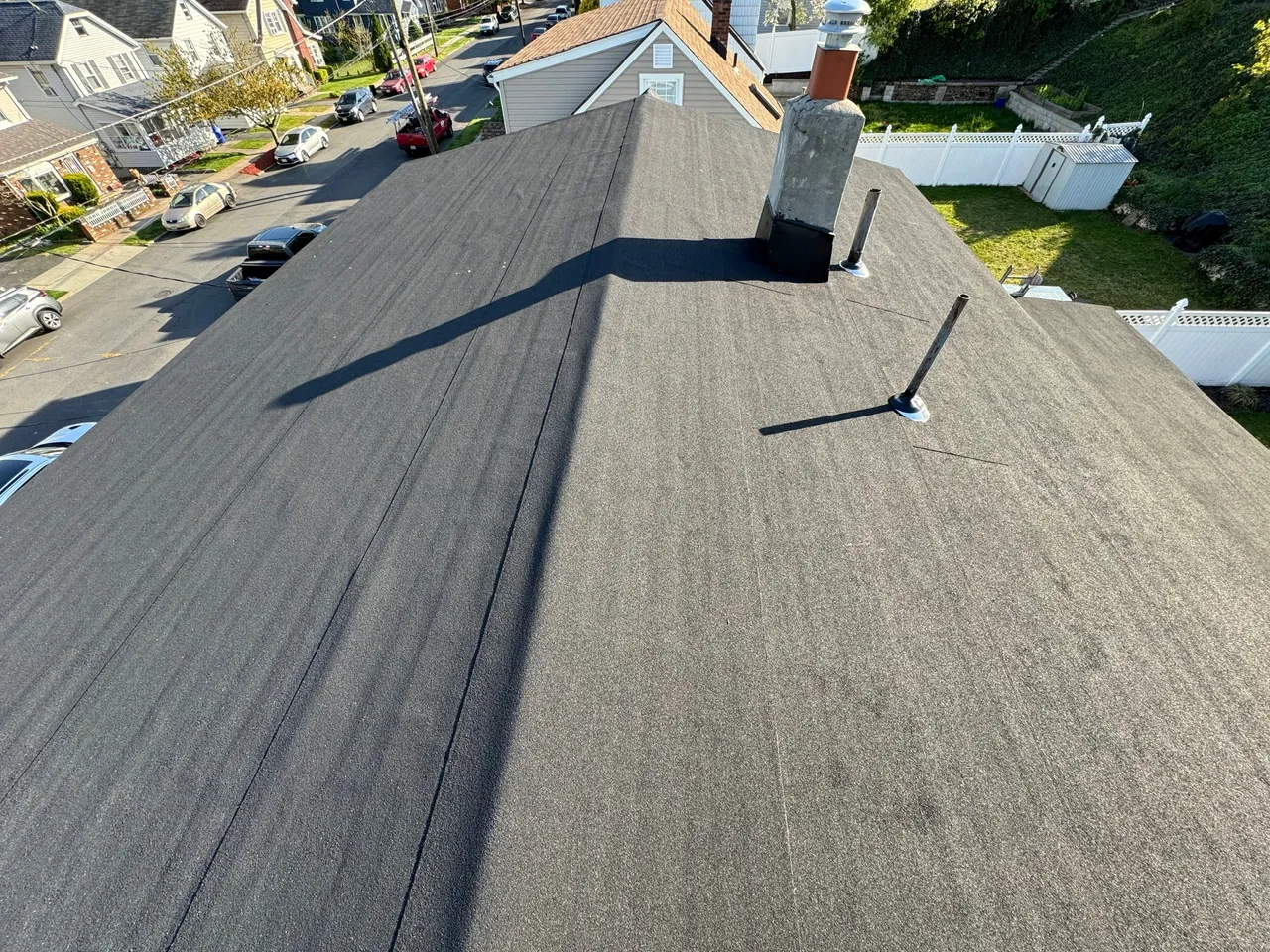

A roof claim rarely starts on a calm, convenient afternoon. In Succasunna, it usually begins after a hard storm rolls through Morris County, or after a homeowner notices shingles in the yard, a brown water stain on a bedroom ceiling, or damp insulation in the attic after heavy rain. By that point, stress is already high. You are thinking about the cost, the timeline, whether the damage is serious, and how much your insurance carrier will actually cover.
That is where many roof replacement projects go sideways. Not because the damage is questionable, but because the claim is handled too casually in the first few days. Good documentation, smart timing, and clear communication matter almost as much as the roof damage itself. Homeowners who treat the process carefully tend to have fewer delays, fewer surprises, and a better chance of getting paid fairly.
If you are dealing with possible roof replacement in Succasunna, NJ, it helps to understand both sides of the process. Insurance carriers want evidence, consistency, and a clear link between the storm event and the loss. Contractors want enough access and information to produce an accurate scope of work. Homeowners often sit in the middle, trying to make decisions while rain is still in the forecast.
Why roof claims in Succasunna can get complicated
Succasunna homes see a little of everything. Winter can bring snow loads, ice damming, freeze-thaw cycles, and brittle shingles. Spring and summer storms can bring wind-driven rain, hail, and falling limbs. Older neighborhoods may have homes with multiple roofing layers, aging flashing, or ventilation issues that were manageable for years until one storm exposed them.
Insurance does not usually pay for a roof simply because it is old. That distinction causes confusion. Age-related wear is generally a maintenance issue. Sudden and accidental damage from wind or hail is a different story. The challenge is that older roofs can suffer real storm damage, yet the carrier may still look closely at whether the condition is from one event or from gradual deterioration over time.
I have seen homeowners unintentionally weaken their own claim by focusing only on the leak inside the house. The water stain matters, but interior leakage is often the final symptom, not the main evidence. The stronger case usually comes from the exterior signs: creased or missing shingles, bruising from hail, lifted tabs, compromised ridge caps, damaged flashing, torn underlayment at exposed areas, and collateral signs on gutters, downspouts, soft metals, and window screens. The more complete the picture, the better.
Start with safety, then move quickly
One of the first mistakes people make is climbing onto the roof too soon. A storm-damaged roof can be slick, unstable, or softened in spots you cannot see from the ladder. If a tree limb has struck the roof or if there is active leakage near electrical fixtures, the risk goes up even more.
What usually works best is a simple sequence. Protect the home from further damage, document visible conditions from the ground and inside the house, then arrange for a qualified roofing contractor to inspect the roof. Insurance policies generally require homeowners to take reasonable steps to prevent additional damage. That may mean placing a tarp over an exposed area, moving furniture, catching water in buckets, or running fans in a wet attic. It does not mean you should start tearing materials off the roof before the adjuster sees them.
Timing matters. If you wait too long, the insurance carrier may question whether later damage came from the original storm or from a lack of temporary protection afterward. In practical terms, once you suspect a storm loss, the clock has started.
The first inspection should be thorough, not rushed
A proper inspection is more than a quick glance from the driveway. It should connect exterior roofing damage, accessory damage, and any interior effects. In a place like Succasunna, where many homes have mature trees, roof valleys, skylights, chimneys, and varied rooflines, the vulnerable areas are not always obvious from the front yard.
A good contractor will usually look at shingle condition across multiple slopes, not just the visible side. They will check ridges, hips, pipe boots, chimney flashing, vents, gutters, fascia, and signs of granule loss. If hail is suspected, they should also note whether there are impact marks on soft metals, because that often helps support the timing and severity of the event. If wind is the issue, they should document torn, creased, displaced, or missing shingles in a way that shows a clear pattern.
Photos matter, but context matters too. A close-up of a damaged shingle is useful. A wider shot showing where that shingle sits on the roof is often what makes the photo persuasive. Insurance adjusters and desk reviewers do not just want damage. They want damage that is traceable and credible.
Know what your policy is likely to care about
Most homeowners never read the roof section of their policy until they need it. That is understandable, but the details can shape the entire claim. Some policies pay replacement cost value, which generally means the carrier may first pay actual cash value and then release depreciation after the work is completed, assuming the loss is covered and the policy allows for recoverable depreciation. Other policies may settle certain roofs on an actual cash value basis only, especially if the roof is older or if the carrier has added endorsements that limit coverage.
The deductible is another common source of confusion. In New Jersey, some policies use standard deductibles, while others may have separate wind or hail deductibles. Homeowners are sometimes surprised to learn that a roof replacement approved by insurance is not a zero-cost project. Between deductibles, code upgrades not fully covered, and potential additional work discovered during tear-off, there can still be out-of-pocket costs.
Matching can also become an issue. If only one slope is damaged, but the remaining slopes are significantly weathered or the product is discontinued, the conversation may shift from repair to broader replacement. That decision is rarely simple. It depends on policy language, available materials, local repairability, and how visible the mismatch would be. An experienced contractor can help explain the practical side, but the insurance decision will turn on documentation and policy terms.
What to document before you file
The smoothest claims are usually the ones built on organized evidence, not memory. If you call your carrier and simply say, “My roof is leaking and I think I need a new one,” the claim starts from a vague position. If you call and can identify the storm date, explain what was observed, mention visible roof damage and interior effects, and note that a contractor has documented the condition, the file starts out stronger.
These items are worth gathering early:
- Photos of roof damage, taken from multiple angles if it can be done safely
- Photos of interior stains, wet insulation, damaged personal property, or peeling paint
- The date or date range of the storm event you believe caused the damage
- Any emergency mitigation receipts, such as tarping or water extraction
- A contractor inspection summary or estimate, if available
That list may sound basic, but it often makes the difference between a claim that moves and a claim that stalls. I have seen adjusters ask for the same items multiple times when the original submission was incomplete or poorly labeled. Keep everything in one folder, digital or physical, and name your photos clearly if possible.
Filing the claim without creating confusion
When you report the loss, stick to what you know firsthand. Describe the storm, what you discovered, and when. Avoid guessing at technical causes if you are not sure. It is perfectly fine to say you noticed water intrusion after a windstorm or found shingles in the yard after severe weather. It is less helpful to insist on a full roof replacement before the inspection even occurs, unless the damage is unmistakably catastrophic.
That does not mean you should downplay the problem. Be direct and specific. If there is active leaking in two rooms, say so. If a contractor found wind creases on multiple slopes, mention that. If tarping was required to stop water from entering the house, include that detail. The goal is accuracy, not argument.
Ask the carrier what they need from you upfront. Some homeowners assume the adjuster will explain every step automatically. Sometimes that happens, sometimes it does not. It is reasonable to ask about the claim number, the assigned adjuster, whether they want the contractor present at the inspection, and what timelines to expect for the site visit and decision.
Why having your roofing contractor at the adjuster meeting often helps
This is one of those practical details that can save time. When a contractor attends the inspection, they can point out damage that may not be obvious in a short walkthrough. They can identify test squares, explain why a condition appears storm-related rather than age-related, and discuss whether repairs are technically feasible or whether replacement is the more responsible path.
That does not mean the meeting should become adversarial. The best inspections feel professional, not theatrical. A seasoned contractor knows when to speak, when to document, and when to let the adjuster do the job. The point is not to “win” an argument on the roof. It is to make sure the full condition is seen and properly recorded.
This can be especially helpful with older homes in Succasunna where roof details are less standard. Chimney flashing, valley metal, step flashing behind siding, and layered architectural changes over the years can all affect the scope. If those details are missed, the initial insurance estimate can come in far below what the work truly requires.
The estimate is not always the final word
Many homeowners assume the first insurance number is fixed. It often is not. Initial estimates can be incomplete, especially if the adjuster could not inspect every area closely, if steep or high sections limited access, or if parts of the system are only exposed during tear-off.
Supplements are common in legitimate roof claims. For example, once the old roofing is removed, the crew may find rotted decking around penetrations or along eaves. There may be insufficient ventilation that needs to be corrected to meet manufacturer installation requirements. Ice and water barrier requirements may differ from what was installed years ago. Flashing integrated behind siding or masonry may need more labor than the original estimate allowed.
None of that means the contractor is inflating the job. It means roofing is partly visible work and partly discovery work. A fair claim process should allow for documented, necessary additions when conditions warrant them. The key is communication. Changes should be photographed, explained, and submitted promptly.
Beware of shortcuts that create bigger problems
After a major storm, neighborhoods can fill up with door knockers and “storm specialists” almost overnight. Some are legitimate. Some are not. Homeowners under pressure sometimes sign contracts too quickly, especially if someone promises a free roof, waives deductibles, or pushes for immediate authorization before an insurance decision exists.
That is where judgment matters. A reputable contractor will inspect thoroughly, explain what they see, discuss the claim process realistically, and put their scope in writing. They should also be properly insured and able to answer basic questions about ventilation, underlayment, flashing, disposal, and permit requirements. If the conversation revolves almost entirely around insurance money and not the roof system itself, that is a warning sign.
In New Jersey, homeowners should be particularly careful with any contractor who treats your deductible like a negotiable inconvenience. Insurance fraud concerns are real, and “we’ll cover your deductible” promises can lead to ugly outcomes. A sound roof replacement project needs a clean paper trail and honest pricing.
Local building details can affect your insurance scope
Roof replacement is not just about shingles. On many homes in Succasunna, code-related or best-practice items can influence labor and materials in ways homeowners do not anticipate. Drip edge, ice protection in vulnerable areas, attic ventilation improvements, chimney flashing replacement, and proper pipe boot Roof Replacement Succasunna, NJ installation are all part of a durable system. If the existing roof is decades old, some of those components may not meet current expectations.
Insurance policies do not always pay for every upgrade automatically. Some include ordinance or law coverage that helps with code-related costs, but limits vary. Others are narrower. This is another reason a low first estimate should not be accepted blindly. If the scope omits required items, you may face a gap between the insurance payment and the actual cost of a proper installation.
A contractor who knows local roofing conditions can often spot these issues before material is ordered. That is valuable. It keeps the project from turning into a midstream negotiation when the roof is already open.
Delays usually come from a few predictable places
Most difficult claims are not difficult for mysterious reasons. They usually bog down because one or more routine issues were left loose. The storm date is unclear. The damage was not documented early. The contractor and adjuster never compared scopes. The policyholder did not understand depreciation. The supplement request lacked photos. Or the homeowner waited until the roof was actively failing in multiple places before reporting a loss that may have started months earlier.
If you want the process to stay orderly, keep these habits:
- Respond to insurance and contractor requests promptly
- Save every estimate, photo, email, and receipt in one place
- Ask for scope revisions in writing when something appears to be missing
- Do not authorize major permanent work until coverage and pricing are clearer
- Review the final contract so payment terms match the insurance process
Those five habits sound simple because they are. They are also where many claims are won or lost. Calm organization beats frantic follow-up almost every time.
Repair versus replacement, the real decision behind many claims
Not every covered roof claim leads to full replacement. Sometimes the damage is isolated and repairs are both possible and appropriate. If matching shingles are available, the roof is otherwise in sound condition, and the damaged area is limited, repair can be the right call.
But repairs are not always durable in real-world conditions. On older roofs, sealing into aged shingles can be tricky. Brittleness can cause additional breakage during repairs. Color mismatch may be severe even if the profile is technically available. Wind resistance can become inconsistent across old and new sections. This is where experience matters more than slogans. The cheapest repair on paper is not always the least expensive outcome over the next three winters.
For homeowners considering Roof Replacement Succasunna, NJ, the best contractor conversations usually include this trade-off plainly. A contractor should be Roof Replacement Succasunna, NJ able to explain not only what insurance may cover, but also what makes sense for the house. Those are related questions, not identical ones.
What a smooth payout process usually looks like
When things go well, the claim follows a fairly predictable pattern. The loss is reported soon after discovery. The roof is inspected and documented. The adjuster visits, ideally with the contractor present. The carrier issues a coverage decision and initial estimate. If the roof is approved, the homeowner and contractor align the work scope with the insurance scope, with supplements submitted as needed. The roof is installed, invoices and completion documents are sent in, and any recoverable depreciation is released according to the policy terms.
The biggest surprise for many homeowners is the split payment structure. They may receive an initial actual cash value payment first, then a second payment later after completion. If nobody explains that at the start, it can feel as if money is missing. It is not always missing. It may simply be held back until proof of completed replacement is submitted.
Another point worth knowing is that mortgage companies can sometimes be involved in insurance check endorsement, especially on larger claims. That can add time. If your check includes both your name and the mortgage holder’s name, ask early what their endorsement process requires so the job is not delayed while everyone waits on signatures.
Choosing the contractor after approval, not just before it
Some homeowners focus so much on getting the claim approved that they treat contractor selection as an afterthought. That is risky. The quality of the installation matters long after the claim is forgotten. A roof replacement should solve a problem, not replace one headache with another.
Ask how debris will be protected and removed, how landscaping will be shielded, whether decking issues will be documented during tear-off, how ventilation will be evaluated, and who will manage communication if supplements are needed mid-project. A polished sales pitch is less important than solid operational answers.
A well-run roof replacement in Succasunna, NJ should account for weather windows, permit timing if applicable, material delivery logistics on suburban lots, and clean-up around driveways, patios, and planting beds. The details are not glamorous, but they are the mark of a contractor who does this work professionally.
The homeowner’s role is smaller than you think, but more important than it looks
You do not need to become a roofing expert overnight. You do need to stay engaged. Homeowners who keep records, ask clear questions, and insist on written communication where it counts usually have a better experience. You are the policyholder, the property owner, and the person who lives with the final result.
That role matters most at a few key moments: right after the damage is found, when the claim is reported, when the adjuster inspects, when the scope is reviewed, and when the final paperwork is signed. Be present for those moments if you can. That presence helps prevent misunderstandings that otherwise turn into delays, denied supplements, or incomplete work.
A storm-damaged roof is disruptive, but the insurance process does not have to become a second disaster. With careful documentation, realistic expectations, and a contractor who understands both roofing and claims procedure, the path is usually manageable. Homeowners in Succasunna who approach the claim with discipline tend to get better results, not because the process is easy, but because they remove the avoidable friction that slows everything down.
Royalty Exteriors
151 NJ-10 Suite 103A, Succasunna, NJ 07876, United States
+1 973-333-7234
FAQ About Roof Replacement Succasunna, NJ
What are signs a roof needs replacing?
Widespread shingle deterioration, repeated leaks, or damaged decking can point to a larger problem. A roofer can inspect the roof covering, flashing, and deck to determine whether the damage is localized or whether replacement makes more sense.
How long does it take to reroof a 2000 square foot house?
Royalty Exteriors estimates one to three days for many single-family roof replacements. A house’s floor area does not tell you the actual roof area. Pitch, roof features, weather, and any decking repairs can change the schedule.
How long should a roof last in NJ?
There is no single lifespan for every roof. Material, installation quality, attic ventilation, maintenance, and exposure to storms all affect how long a roof remains serviceable. An inspection can help you assess its condition and plan for replacement.